 01
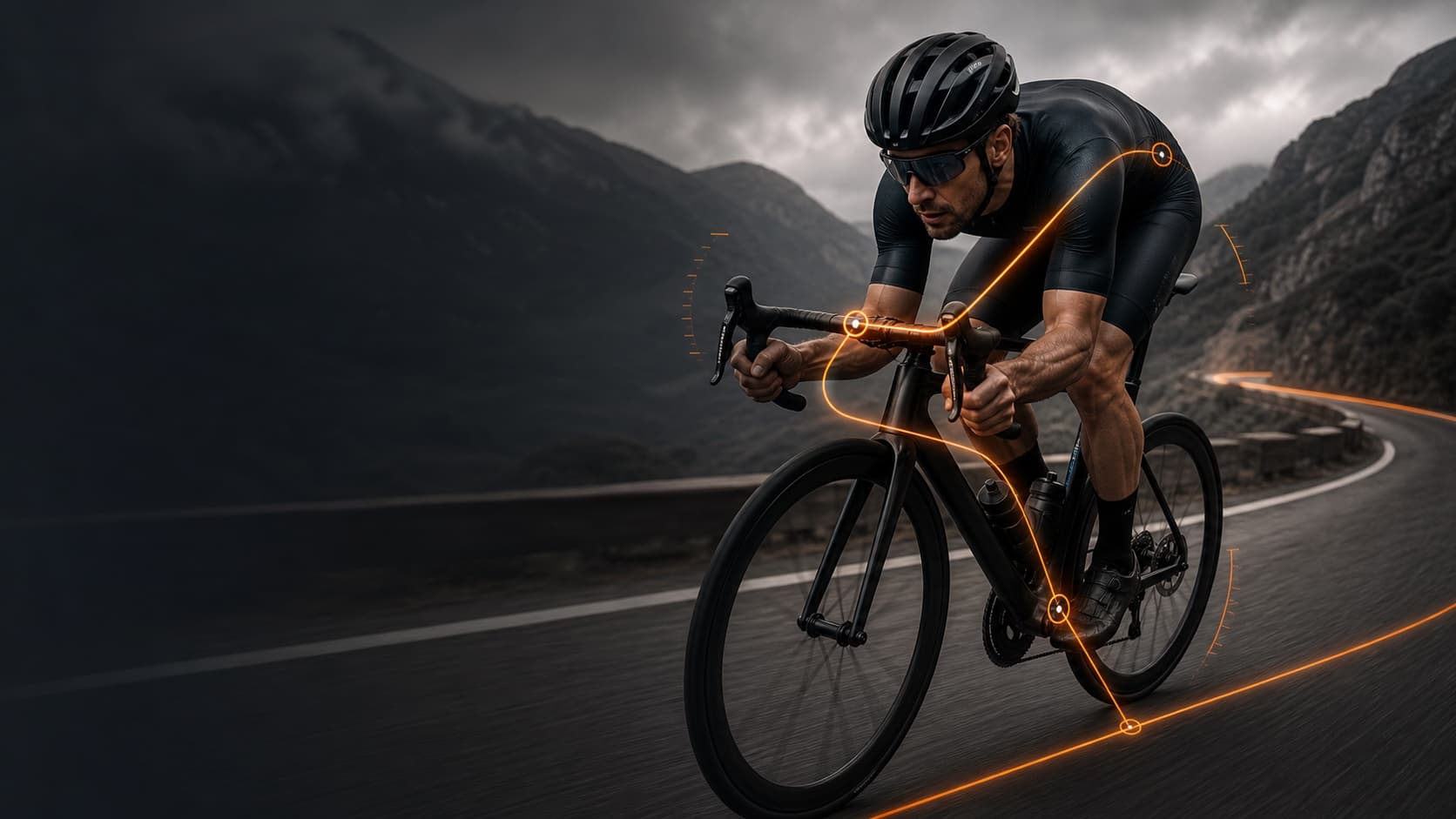
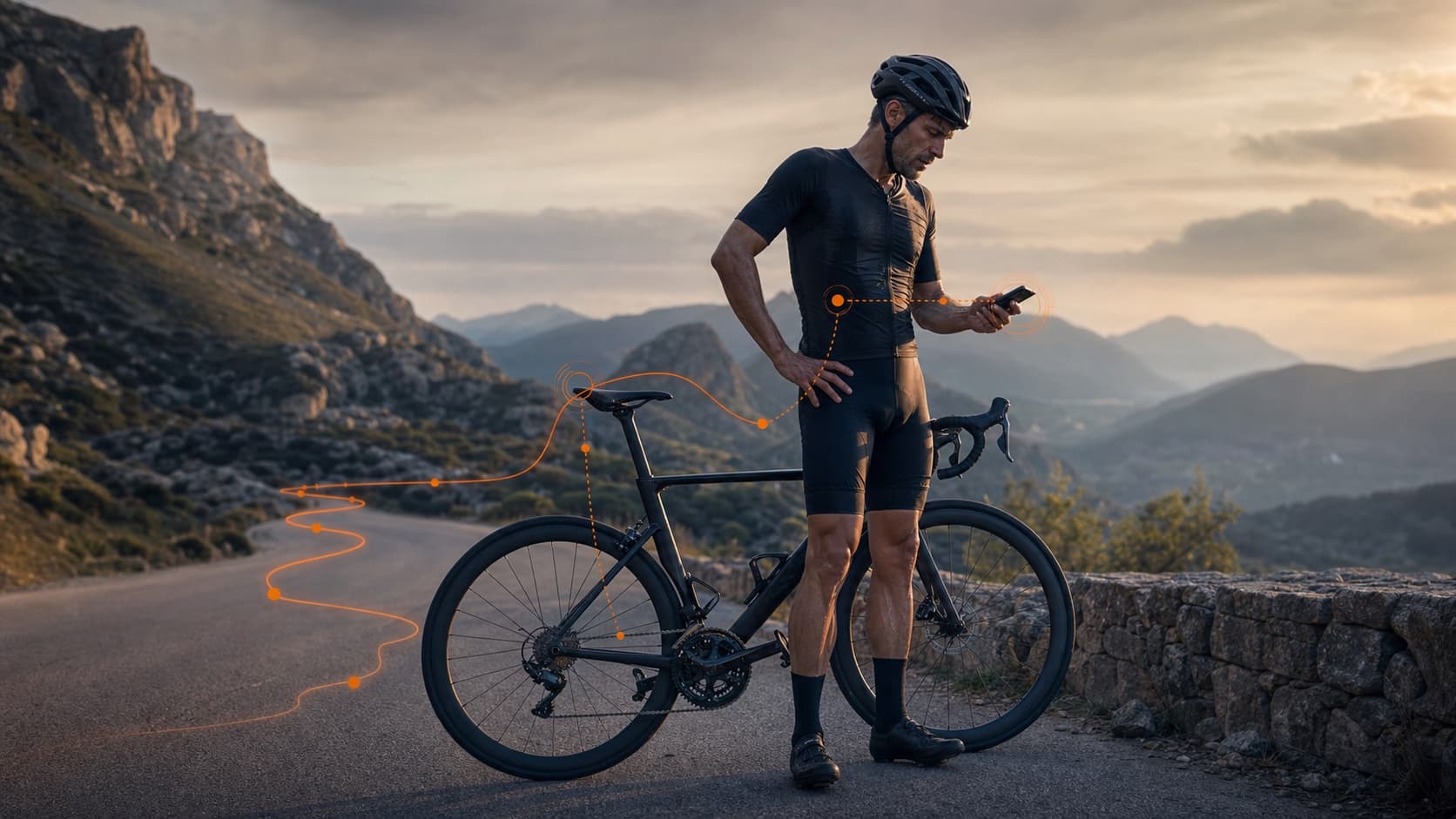
01After a ride

Performance intelligence for cyclists and triathletes
The Performance Intelligence System for cyclists and triathletes.
Lukspeed connects your rides, bike, fit and setup so you can understand what worked, what matters now and what is worth testing next.
Track cyclist carrying speed through a velodrome turn
The performance journey
It is the accumulated result of the choices you make on the bike, between rides and with the people who help you perform.
Each decision changes performance. Each one creates evidence.
01After a ride
 02
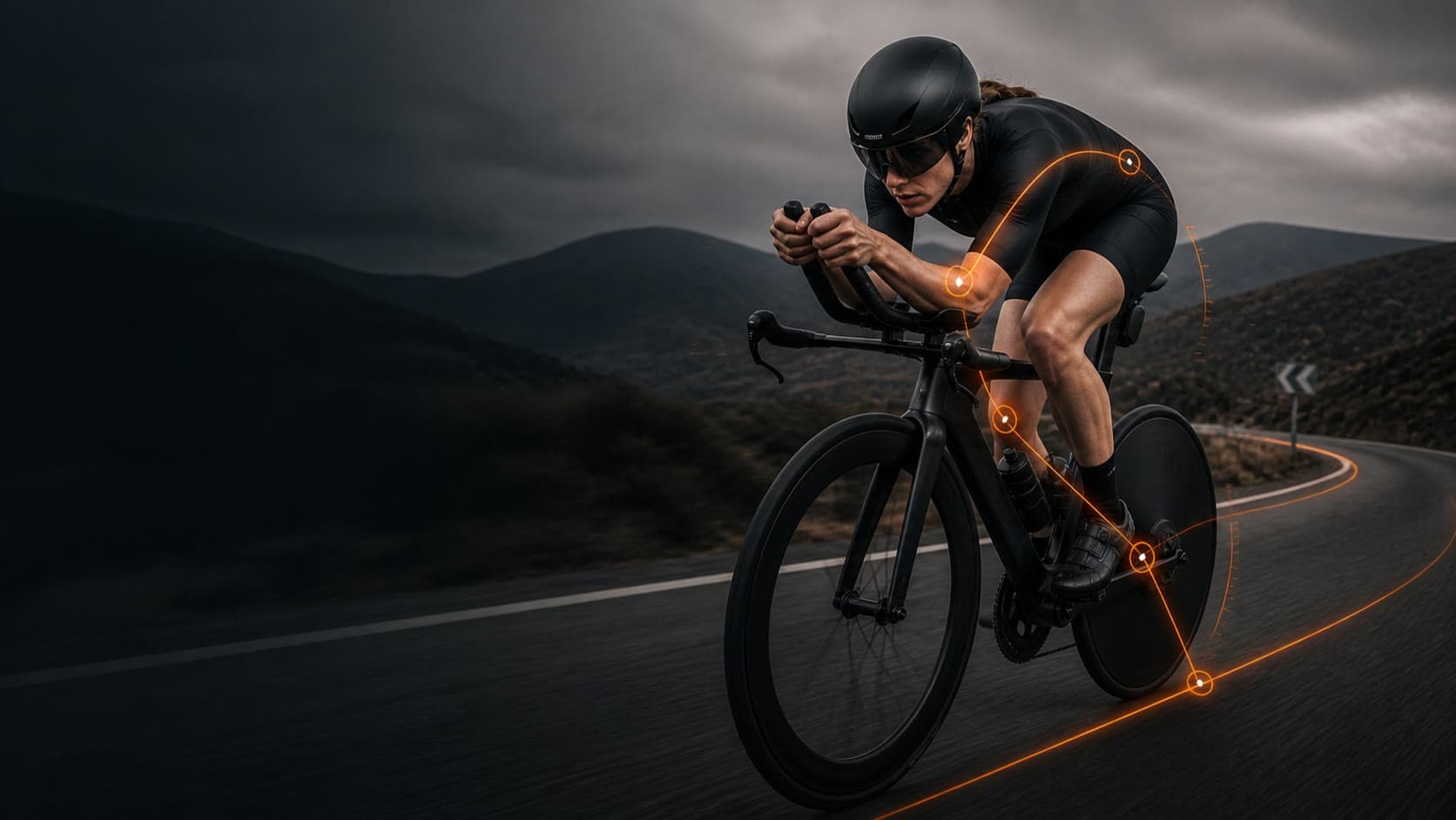
02Before a race or key ride
 03
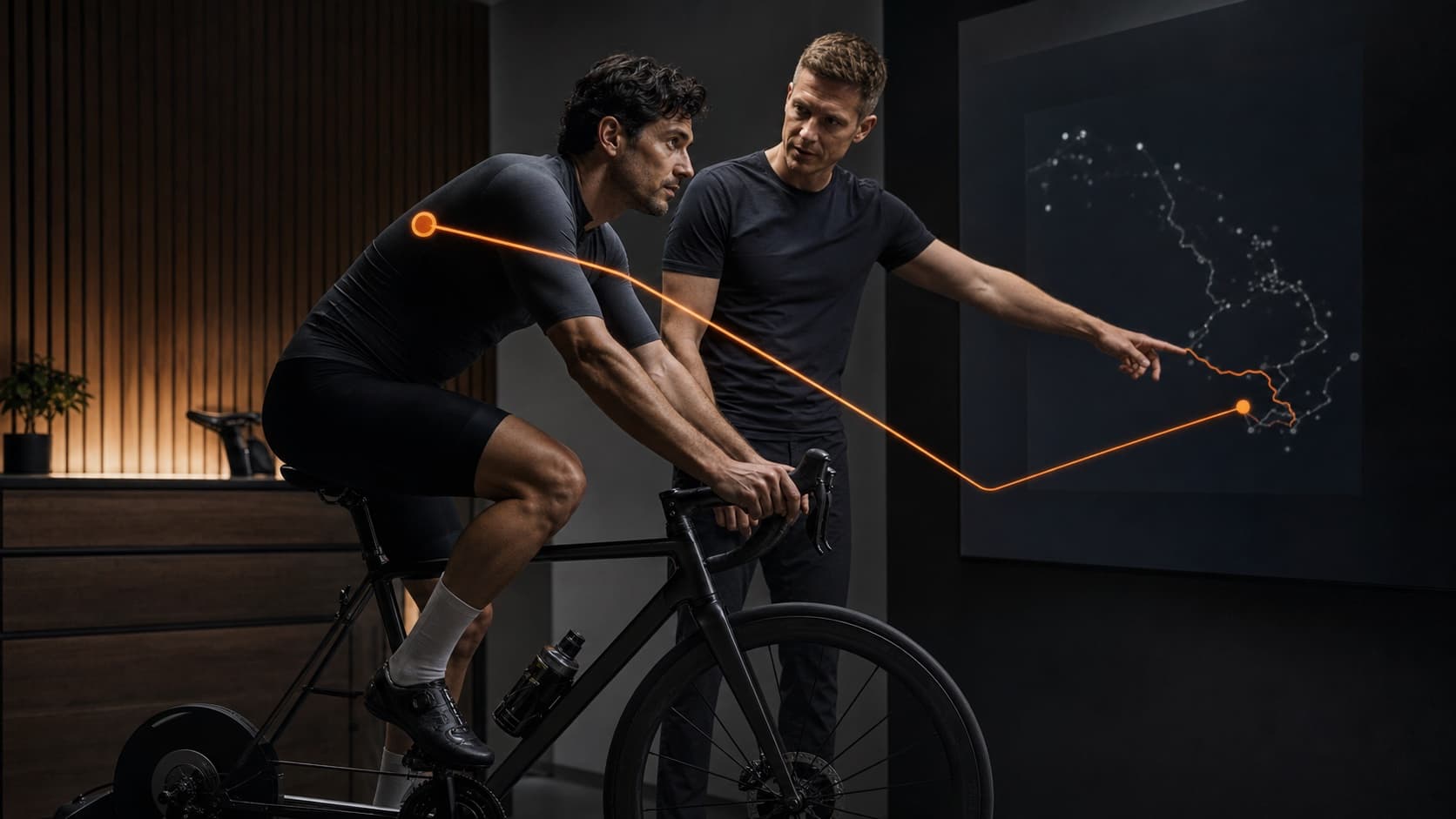
03After a fit change
The understanding gap
The ride lives in one platform. The fit notes live somewhere else. The bike changed, the conditions changed, and the reason behind the decision slowly disappears.
The personal best
The race result
The power file
What actually changed?
Under which conditions?
Would it work again?
Meet Lukspeed
What if your performance journey did not restart after every ride?
One athlete. One Performance Memory. One evolving journey.Lukspeed connects rides with your bike, position, setup, route, conditions, goals and history, then brings forward what matters when a decision needs to be made.
It does not replace your tools or your fitter. It helps their evidence work together.See what influenced performance.
Explore realistic alternatives.
Choose what is worth testing.
Let the next ride answer.
Keep what the decision taught you.
Lukspeed in action
A useful answer is not the most aggressive option. It is the option the rider can test, sustain and validate in the real world.
112 km · rolling course · crosswind exposure · current race bike and stable baseline setup
A lower cockpit could reduce drag if the rider can hold the position late in the ride.
Use the lower cockpit setup on a comparable key ride, with stability and pacing kept visible.
Expected speed did not appear and late-ride stability deteriorated.
The product behind the journey
Brings forward one evidence-backed performance question and the next legitimate path.
Prioritizes meaning; it does not manufacture a recommendation.For fitters and coaches
Keep the reason for an intervention, the rider’s setup and the evidence that followed connected beyond one appointment.
Trust is earned in the answer
Observed ride evidence is not presented as prediction or causality.
Scenarios help decide what to test, not what is guaranteed to happen.
Supported, not supported, inconclusive and not comparable are all legitimate outcomes.
No guaranteed watts. No perfect setup. No “best CdA.” Rider and expert judgment remain in the loop.
Start with your question
Join with your role, your bike, your data and the performance decision that matters now.
Open beta · Google or email · Rider, Fitter, or Both